
Every Single Article Written by N - All 1343
Dear Microsoft: Zune Still Exists, Don’t Skip Out On Facebook Music

Y’know, before that Facebook thing started getting big, there was a fledgling music startup by a popular software company called Zune. Within a year, it launched Social with the ability to build up a list of friends and share what you’re playing with them. Sound familiar? That’s because Facebook unveiled its new Music service that does much the same thing, including the ability to have friends listen with you in real-time. To show off this new feature, Zuckerberg showed off a new partnership with Spotify, which we’ve liked to various degrees, but it represents a huge step forward in sharing music. So while the Zune Social could’ve been all that and a bag of chips, Microsoft has essentially abandoned it as well as the brand in its virtual entirety and what a damn waste for how powerful this could’ve been for them.

Burnout Crash Review – Destruction As A Chore
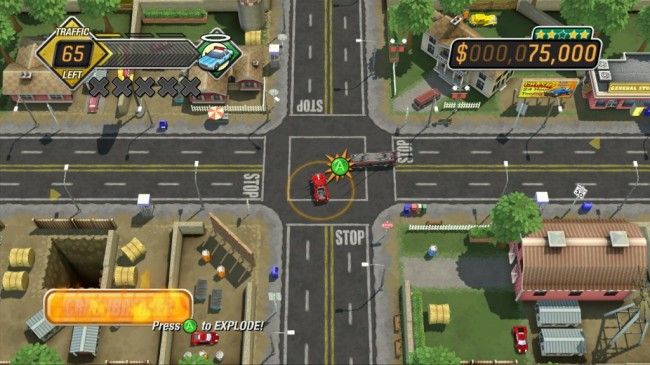
As far as racing games went, the Burnout series was fine enough, but take a mixture of fast-paced arcade racing, clever urban and rural environments, and a metagame involving crashing into your opponents and you have a formula for success. The series peaked for me with Burnout 3, which featured an awesome mode called Crash (perfected from the previous game) which set up rolling vehicles in a confined area, set your car as the pinball, and forced you to get creative in the destruction of everything from saloon cars to tankers to achieve rapidly ascending high scores. Their latest iteration, Burnout: Paradise, ditched Crash mode altogether and despite receiving critical raves, just wasn’t my cup of tea. Flash forward to 2011 and developer Criterion announces a $10 Xbox Live Arcade/PlayStation Network game devoted entirely to crashing? Well, let’s just say it got my attention! Unfortunately, in this dedicated solution, they seem to have forgotten what made Crash mode so great in the original games.
Facebook To Change Layout Again, Millions To Whine Violently For Next Week
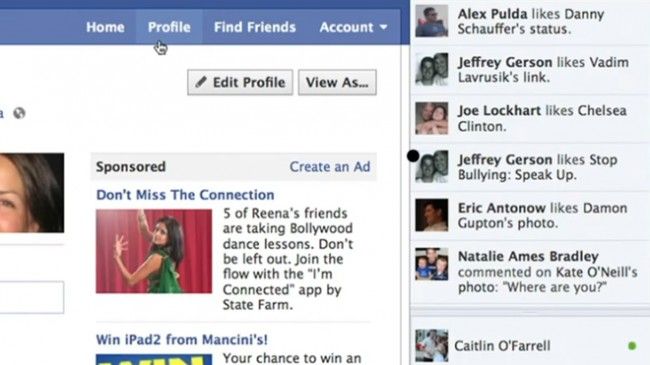
Man, I pine for the AOL days (not the Aol days, mind you) where every eighteen months brought you a whole new version of America’s favorite dial-up provider with a shiny, slightly larger version number along with slightly iterated graphics. Also: advertised everywhere. Yeah, boy! It seems strange that time is not kind to change as we’re still over a day away from Facebook’s annual f8 developer conference (where they traditionally unveil their biggest service changes) and somehow there are people already up in arms over the partial list of changes the social network will be implementing soon.
Those people are silly.
Engadget Eliminates Review Scores, I Disagree
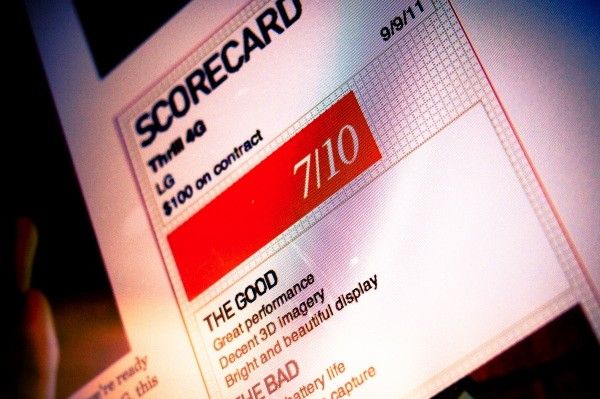
In an editorial today, Engadget’s editor-in-chief, Tim Stevens, declared that the era of numbered scores on product reviews was going away in favor of bullet-pointed pros and cons and a summation in under 140 characters. It’s hard to remember a time before their various reviewed gadgets were adorned with those color coded numbers… nah, nevermind, they were implemented a years ago as one of former EIC Topolsky’s last big moves on the site. Still, the use of numbers to denote, in an abstract way, the quality of products is of much debate among many websites. At the end of the day, I think they’re a necessary evil and I think Stevens is on the wrong track here.
Game Review: Renegade Ops
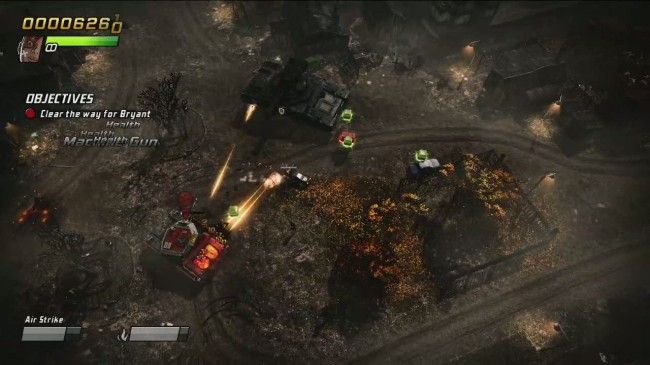
It’s been a year and half since Avalanche Studios’ last game, Just Cause 2, stole my heart. Taking the open world genre and opening it up for massive gobs of fun (in one of the largest slabs of real estate in a video game ever), the game was endearing well past its niggling flaws, robbing me of many, many hours. With Renegade Ops, it seems their previous opus was a guiding light – build a fast, fun, exciting action game – and as a result you need to own this game pretty quick.
All Right, George: This Is The First (And Last) Time I’m Buying Star Wars
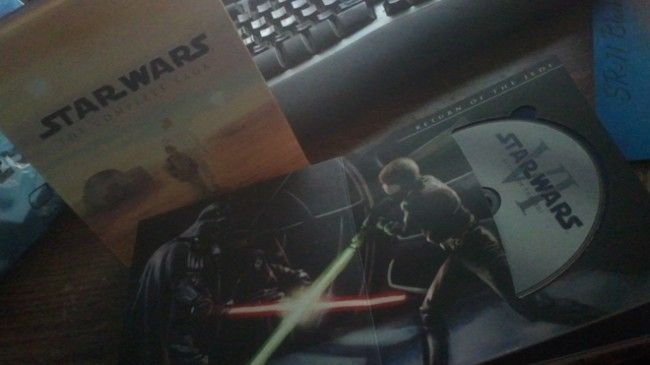
It should come to no one’s surprise that I grew up on Star Wars. My parents owned the original trilogy on LaserDisc and eventually VHS with the arrival of the 1997 Special Editions. I wouldn’t be what you would call the ‘casual viewer’: I don’t view the six films as merely entertainment, but as vertical slices of an epic canon. As a result, I’ve been far more apologetic of the prequel trilogy than most because it completes a necessary portion of the Star Wars arc despite being clearly inferior films. With the release of the sextilogy on Blu-ray, in high definition for the first time ever, there’s absolutely no reason to purchase any further iterations of Star Wars in a physical format. Ever.
Movie Review: Drive
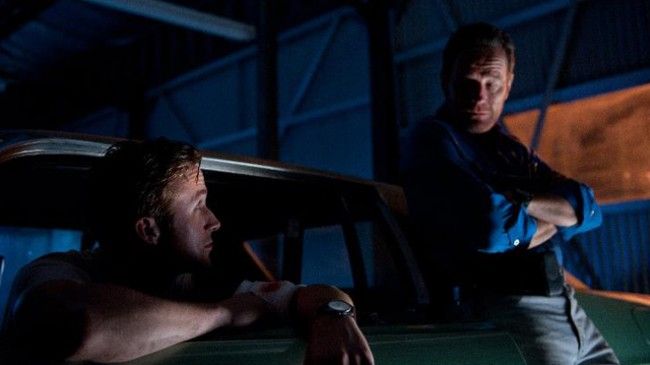
The Driver is intense. Methodical, cold, pensive, we meet him (Ryan Gosling) on task. He’s a cowboy; always on point, quiet with toothpick dangling. You give him a location and he’ll give you five minutes to do your work and get you out. After that, you’re on your own. He’s hard to mistake with that white coat – a golden scorpion is stitched on the back – that he wears to every task. The Driver’s life is simple and he’s good at it, but he’s not detached: when the girl next door (Irene, played by Carey Mulligan) and her seven-year-old son tug at his heart strings, a smile isn’t far behind. He’s human after all, doing what’s right to protect her, even if that involves the spontaneous use of acute violence.
Mortal Kombat Sells 3 Million Worldwide, Fighting Games Still Not Dead?

Well, so, surprise? Warner Brothers just announced that the latest installment in the Mortal Kombat series has now sold three million copies around the world. This comes after a variety of important milestones, namely it’s the first MK game released since Midway went belly up and the series was snapped up by Warner, and this is the first game in the series after the relatively polite Mortal Kombat vs. DC Universe, in which the violence was toned down a bit. (Can you imagine Superman being shredded to bits in a fatality? Scary.) Personally, it made sense that fighting games like Street Fighter, Soul Calibur, and Marvel vs. Capcom have done so well because they didn’t, y’know, almost single-handedly cause the formation of the ESRB rating system.
Does America Need A Government-Run Cellular Network?

Let’s face it: wireless technology here in the US is kind of a mess. We have two largely different standards for cellular broadcast (CDMA and GSM) and with four carriers, we see a lot of duplicated phones across various providers. A company like Apple spent years developing a version of their iPhone that would work on Verizon (and soon, Sprint), but all of these variables conspire to make the job of a headset manufacturer a pain in the butt. On his podcast, and recently in editorial form, Joshua Topolsky suggests that we should socialize our wireless standards and let providers duke it out amongst exclusive phones and services. Is this the right way for America to go?
Sam Biddle Is A Fool: Everything Should Be A Game

Those kids over at Gizmodo (yes, one of those sites) are at it again! No, not a stolen iPhone to be found, this time it’s a nonsensical rant about gamification. See, there’s a new site called Badgeville that basically gives you rewards for being on the internet. In vile response, author Sam Biddle did his best to ravage the idea that people should be rewarded for ‘frilly, stupid things’. But he’s missing the entire point: it’s not about the carrot or the stick, it’s about the road it takes us down.