


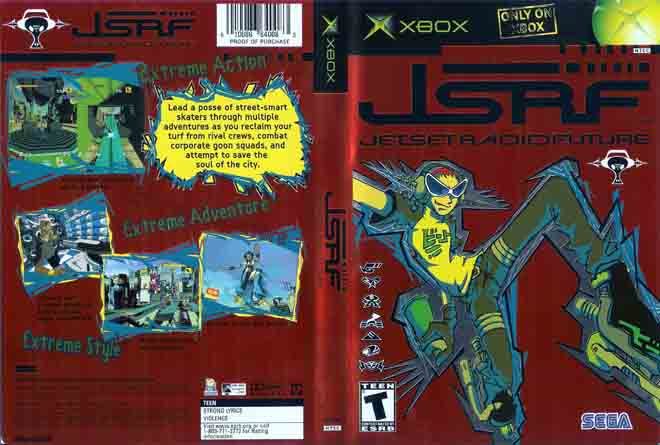
Jet Set Radio Future
Developed by Smilebit / Published by Sega
And now for something completely different. So you’re part of a gang in a cel-shaded dystopian Tokyo. Your primary means for getting around is rocket-powered rollerblades and an insane amount of railing to grind on. You battle other roller gangs, ultimately taking on the corrupt mayor Rokaku. You sail through a variety of expansive environments (although not as quite as large as I’d anticipated), tagging spots along the walls with graffiti. DJ Professor K keeps you informed from the bunker of the titular pirate Jet Set Radio broadcast while blasting the most unique soundtrack you’ve ever heard as you grind and tag away (you can’t stop until you hear ‘Birthday Cake’). The level design was incredible with each zone pieced together with its own unique theme, featuring a complex bus terminal and a slum level in which houses are haphazardly stacked on each other. The combat wasn’t great and it wasn’t much of a challenge overall (the controls slip from time to time when trying to make smaller, more precise movements), but this wound up being one of my favorite games for the console.
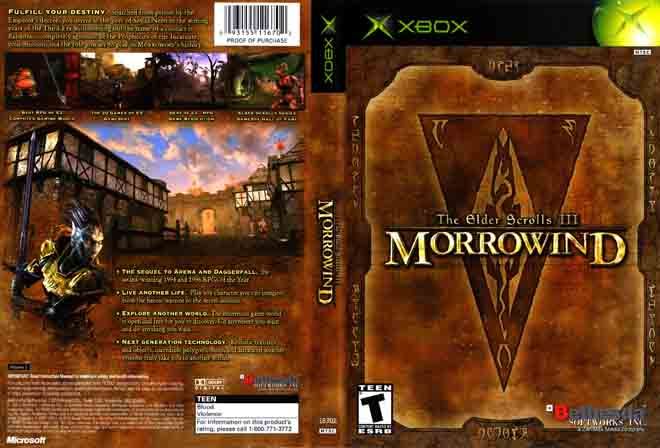
The Elder Scrolls III: Morrowind
Developed and Published by Bethesda
This was one of the first titles I needed to own for the console; originally intended as a launch title, the game slipped to the following summer. Leaving the GameStop where I picked up the game, the demo unit with the game playing had locked up, sending a chill up my spine. The guys at TeamXbox who had played the PC version (which released a month before, free of any certification requirements) unfurled long yarns about their adventures in Vvardenfell. Arriving on a prison ship, just freed by the Emperor, this game was the ultimate open world experience, allowing you to be anyone (or anything) you wanted, build up exactly as you chose to, and do anything in the world you wanted to. Some found opportunity in this game, others found paralysis as the sheer number of options in which you could play was enormous. I found this game to be much more fun than its sequel Oblivion, and I ultimately put in about 120+ hours into the game and its expansions. The game had several bugs (some forcing me to previous saves), but none ultimately wrecked the experience.
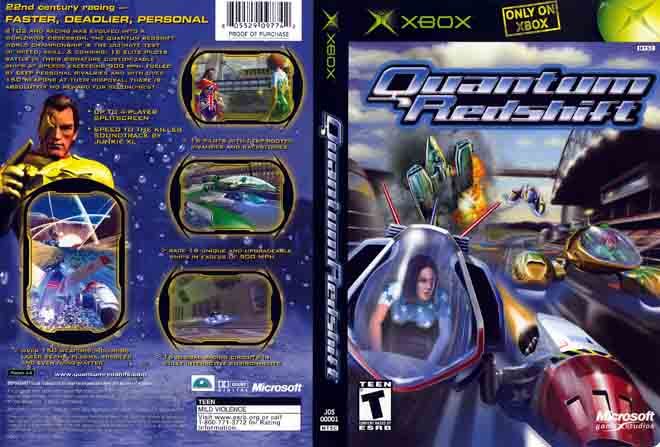
Quantum Redshift
Developed by Curly Monsters / Published by Microsoft
From the creator of Wipeout came a futuristic racing game that worked well to fulfill my racing needs as PGR wound down. If nothing else, the game was gorgeous, featuring beautiful courses and effects like raindrops that pelted the screen, actually distorting the objects behind them. The game featured twelve racers paired off in rivalries that were stitched together by cheesy pocket narratives. There wasn’t much to the game aside from a variety of duplicated races while multiplayer options were light. Upgrades were basic, never letting you feel like you were making progress unless you began to bump up the difficulty, which also increased the speed of the races. A pretty gem, but not much to it, had they released a few months later and taken advantage of Xbox Live, I imagine Curly Monsters probably wouldn’t have shut down after the game failed to push many units.
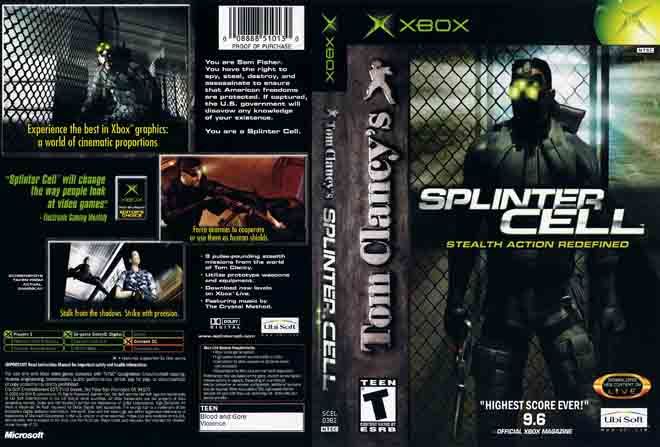
Tom Clancy’s Splinter Cell
Developed by Ubisoft Montreal / Published by Ubisoft
One of the major ‘second wave’ Xbox releases during Holiday 2002, Splinter Cell really began to push the limits of the Xbox hardware. As elite spy Sam Fisher, you’re up for infiltrating high priority locales with a variety of gizmos to accomplish your work. Your unique trifocal scope allowed for augmented vision while Sam’s natural agility allowed for clever hiding spots and drops on enemies. You need to make it through sight unseen while unraveling the Georgian president’s campaign of terror. I played the demo at least a million times, watching as shadows realistically bent around Sam as he walked while tarps and individual blinds danced as he nudged into them. The game’s (well, the series’, really) ultra-linear missions ended up killing a lot of my interest, but when it released the game was an incredible piece of work. With Splinter Cell and stablemates Ghost Recon and Rainbow Six, Ubisoft proved that if you wanted to play Tom Clancy games last generation, you needed an Xbox.
> Continue on to Part 3 – Xbox Live





Don't Keep This a
Secret, Share It